
Natural pest control means stopping pests by removing their food or access, encouraging their enemies, or using a treatment that targets them. For fruit flies hovering over a recycling bin, that starts with scrubbing out fermenting residue, not perfuming the kitchen. The three approaches below help you choose a response that fits the pest, from clearing a cupboard infestation to treating caterpillars on vegetables.
1. Prevention and Physical Removal
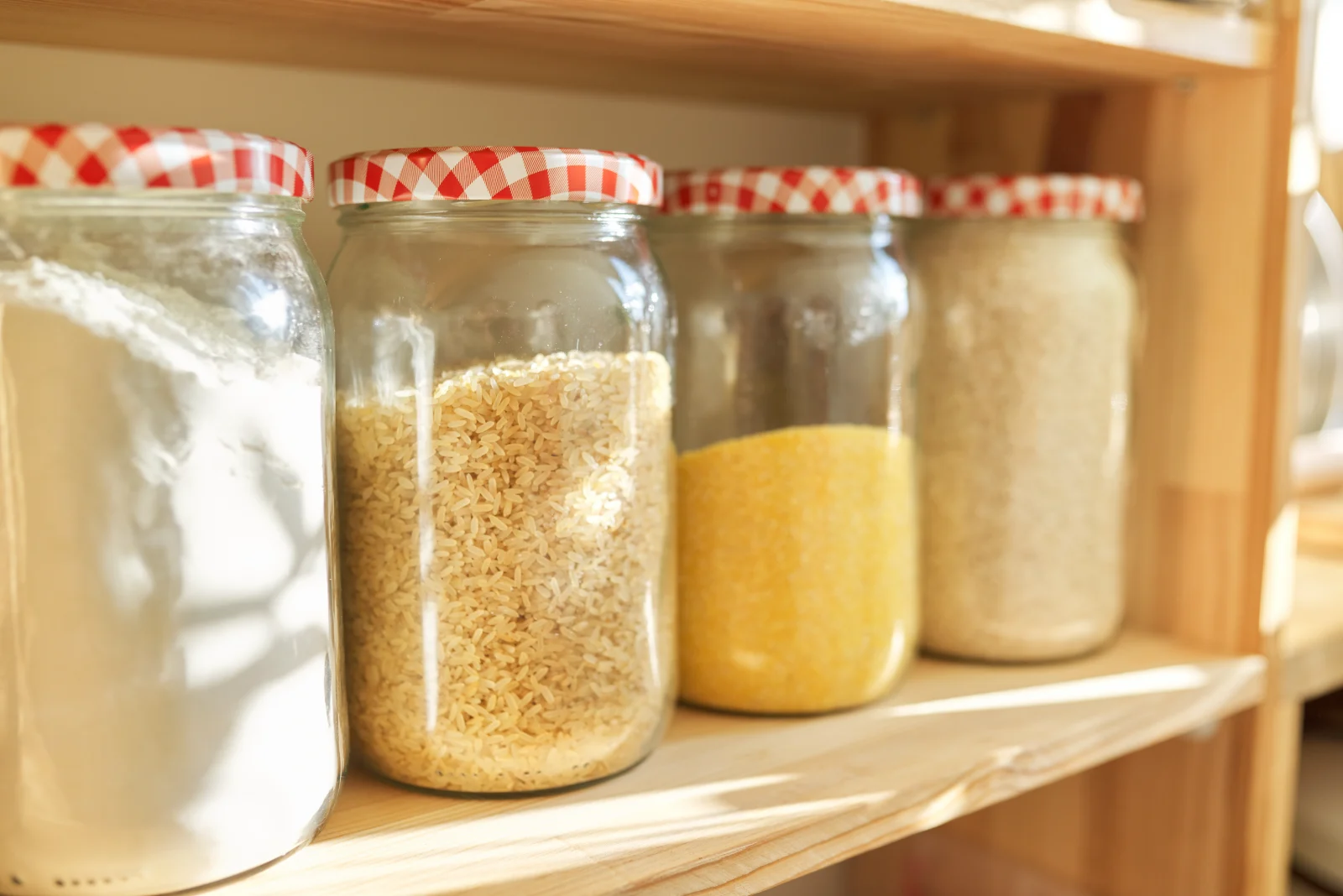
For pantry moths, the decisive work happens inside food packages and cupboard seams. Inspect dry goods, discard infested packages, then vacuum the seams where debris collects. Put unaffected cereal, flour, and pet food into tightly closed containers. This removes infested food and protects what remains; pheromone traps help you monitor adult males afterward, but cannot reach larvae inside packages.
Fruit flies call for a different cleanup because they breed in fermenting organic material. Remove overripe produce and scrub residue from recycling containers or other breeding sites. A vinegar trap can catch adults while you do that work. The source matters most: trapping flies while leaving their breeding material gives you a continuing supply to catch.
Once the source is gone, close routes back in. Seal gaps around pipes and baseboards, fit door sweeps, and repair torn window screens. Repair leaks beneath sinks and empty plant saucers or other standing-water containers; mosquitoes can develop in small collections of water. These jobs remove access and dependable water without treating every surface in the house.
For ants, wipe trails with soapy water and remove accessible sweets or grease. Persistent activity may need an enclosed bait suited to the species and location; keep repellent sprays away from bait-feeding areas. With cockroaches, clean grease beneath appliances, remove cardboard clutter, and place sticky monitors to locate activity. Those locations tell you where targeted bait treatment belongs.
In the garden, physical removal gives you an immediate result you can see. Hand-pick Japanese beetles into soapy water, or support tender stems while washing aphids off with a firm stream of water. Row covers keep many flying pests off vegetables when their edges are secured. Lift them when insect-pollinated crops need pollinator access. These are practical choices for reachable plants and small infestations.
2. Planting for Beneficial Insects
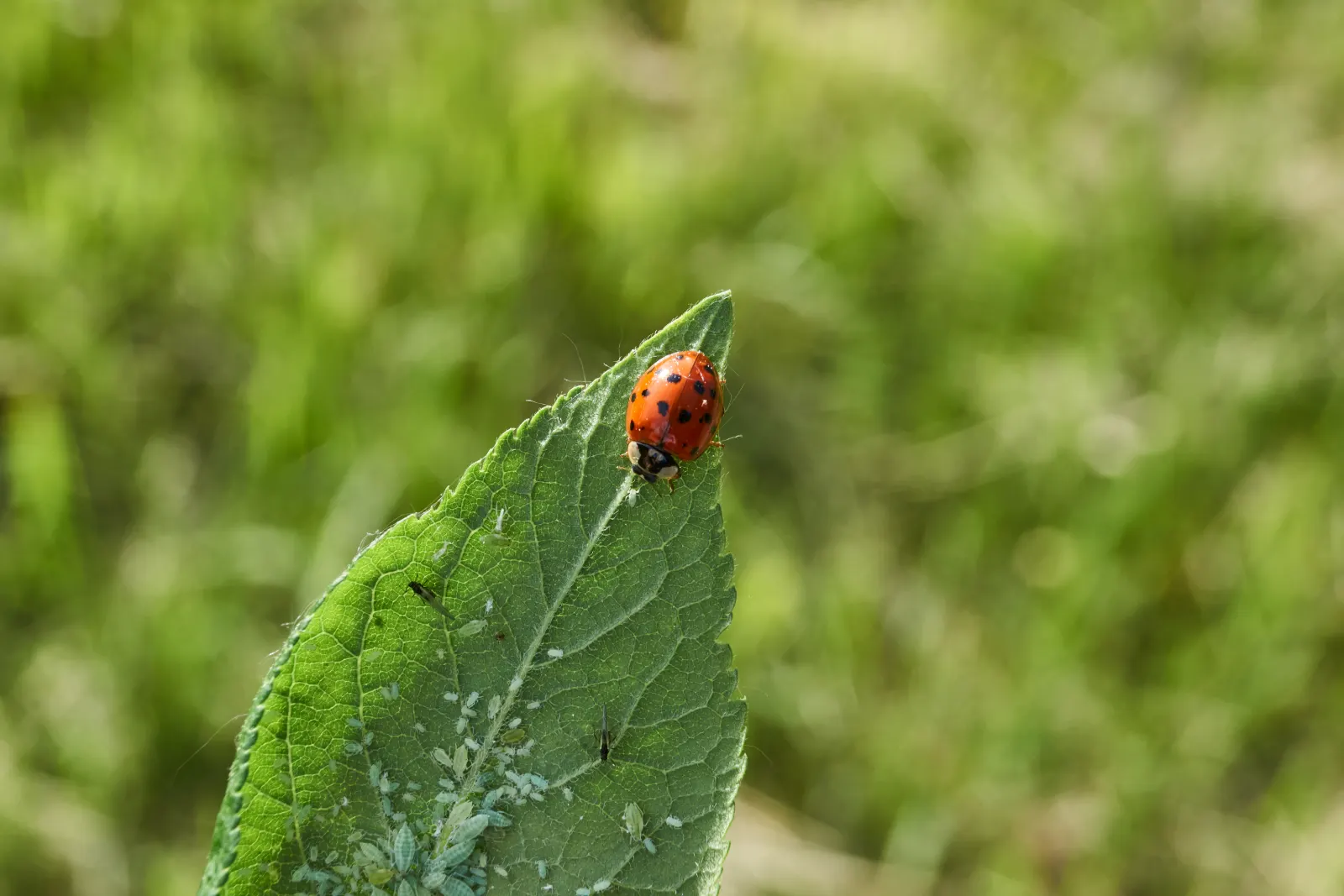
A lacewing larva in an aphid colony is a hunter already at work. It grips an aphid with curved jaws and sucks out its contents. Lady beetles also eat aphids, while parasitoid wasps attack particular host pests. A useful planting plan gives these allies a place to feed and keeps them near the plants you want to protect.
Flowering dill, cilantro, and sweet alyssum can feed beneficial adults. Let some herbs flower, and arrange plantings so blooms remain available through the growing season. Choose plants that suit your climate and space; basil can earn its place as a kitchen herb without being responsible for protecting neighboring tomatoes. The aim is a working food supply for natural enemies, not a scented fence.
Keeping that food supply intact is usually a better first investment than buying a general release of lady beetles, whose adults may disperse. Purchased beneficial organisms make more sense when the species matches the pest and growing environment, particularly in an enclosed greenhouse. Outdoors, the arrival and impact of natural enemies depend on local conditions.
Give the hunters already present time to work. Avoid broad-spectrum insecticides where possible, and inspect an aphid colony before spraying it. Living predators are one clue; swollen aphid “mummies” are another. A parasitoid wasp develops inside its aphid host, leaving the swollen shell as evidence that the colony itself is feeding an enemy.
3. Pest-Specific Treatments
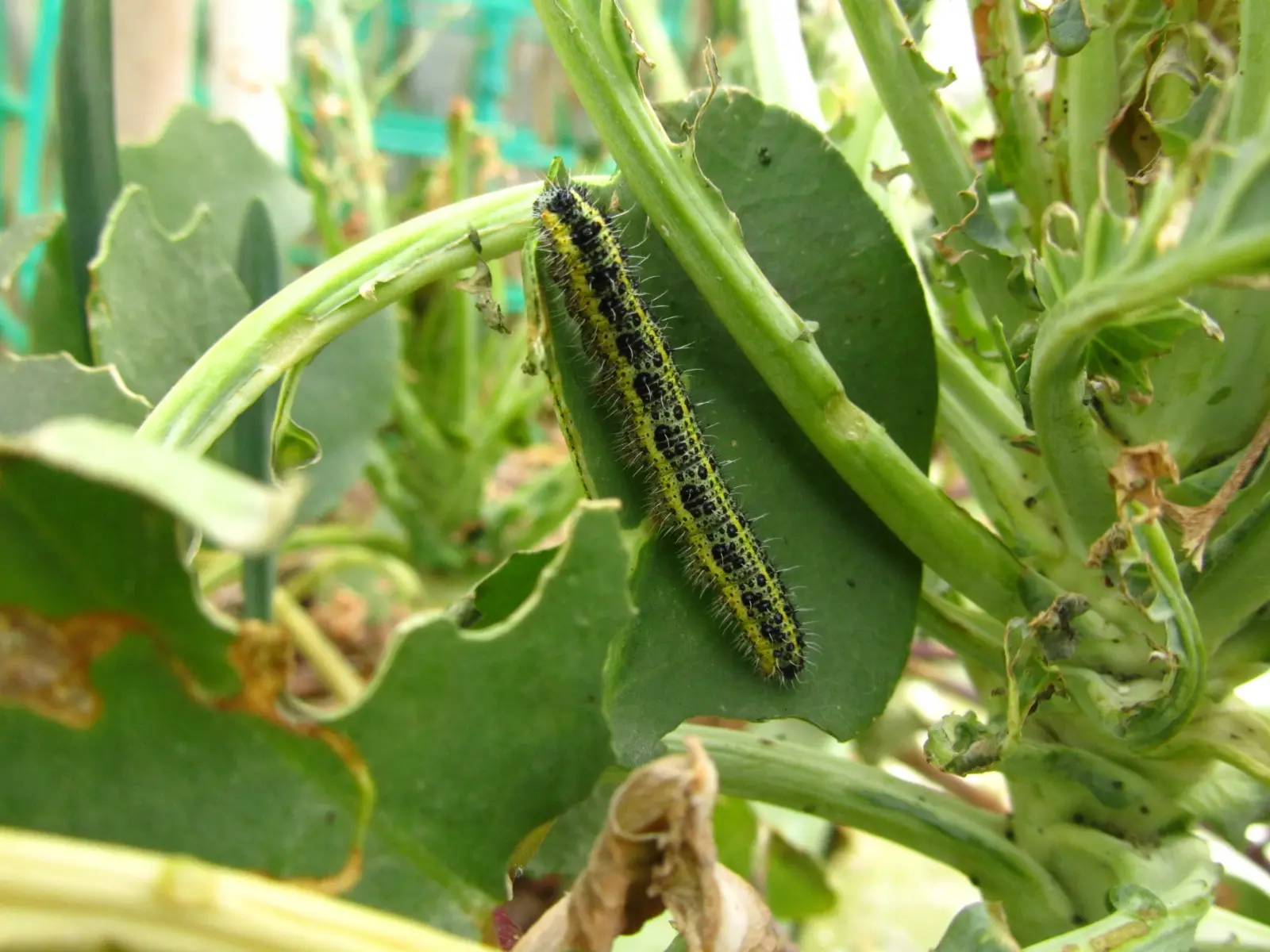
A caterpillar eating treated foliage is the starting point for Btk, short for Bacillus thuringiensis var. kurstaki. After a susceptible caterpillar swallows it, bacterial proteins damage the gut, stopping feeding and eventually killing the larva. Young, actively feeding caterpillars are the best targets. That feeding route explains the fit: Btk treats susceptible caterpillars, not aphids or beetles, and it can also kill desirable butterfly and moth larvae on treated plants.
For aphids, whiteflies, or spider mites, insecticidal soap works through direct contact instead. Look for potassium salts of fatty acids as the active ingredient, and reach the pests beneath leaves. Dried residue offers little continuing control, so coverage matters more than leaving a coating behind. Ordinary dish detergent is not an equivalent formulation. Test a small plant area first, allow the product’s stated observation period, and avoid treating heat-stressed plants.
Slugs and snails need a different approach: iron phosphate bait. Apply it at the directed rate, scattered rather than piled. Milky spore has a narrower target in another location: Japanese beetle grubs in soil. It does not treat adults chewing leaves or serve as a general lawn-grub remedy, and its performance varies with conditions. Identify the grub before spending money on it.
Diatomaceous earth acts through contact with susceptible crawling insects, and moisture reduces its usefulness. Choose a pesticide formulation for the intended site and keep the dust out of the air. Across these products, the useful buying information is the active ingredient and target pest; ready-to-use formulations also spare you concentrate measurements. Formulations and permitted uses can change, so use the package directions for application and exposure precautions, including those for edible crops, pollinators, children, and pets.
Household scent mixtures offer a much less dependable route. Some essential oils repel particular insects under specific conditions, but homemade blends and used coffee grounds are not reliable infestation treatments. Oils can also irritate skin, injure leaves, or pose risks to pets, depending on the substance and exposure. Treat “organic,” “plant-based,” and “non-toxic” as descriptions to examine, not reasons to buy.
Key Takeaways
- Match the scale of the response to what you find: a reachable colony may need hand removal, not a whole-garden treatment.
- Separate immediate cleanup from prevention so you address both today’s pests and their route back in.
- Count natural enemies during plant inspections, not only the insects causing damage.
- Before buying a treatment, be able to explain how the identified pest will encounter it.
- Judge progress by fresh activity or damage, not by how strongly a remedy smells.
Frequently Asked Questions
The questions below cover planting choices and household remedies, including what to expect from the word “natural.”
What Can I Plant in My Vegetable Garden to Keep Pests Away?
Flowering dill, cilantro, and sweet alyssum can support insects that attack garden pests. For a different strategy, nasturtiums sometimes serve as trap crops for particular pests, concentrating insects where you can monitor and manage them. Choose between supporting predators and using a trap crop according to the pest affecting your vegetables.
What Smell Do Most Bugs Hate?
No single smell reliably repels most insects; their responses depend on species, concentration, and exposure. Mosquitoes, for example, use exhaled carbon dioxide and body odors to help locate people. Peppermint’s effect on one insect does not establish its usefulness against another, so a strong smell is a poor measure of pest control.
How Can I Make Homemade Pest Control Spray?
For aphids on sturdy outdoor plants, use plain water before mixing a homemade spray. Direct a firm stream at the colony while supporting the stems. If that is insufficient, choose formulated insecticidal soap instead of improvising with detergents, vinegar, bleach, or essential oils that can injure foliage or create exposure risks.
How Do Amish Keep Bugs Out of the Garden?
Amish gardening practices vary among communities and growers, with no single shared pest-control recipe. Traditional measures such as crop rotation and cultivation can interrupt some pest life cycles. The useful question about any advertised “Amish spray” is what its ingredients do to the pest you have.
Does “Food-Grade” Diatomaceous Earth Mean It Is Safe to Inhale?
No: “food-grade” diatomaceous earth can still irritate the respiratory tract when inhaled. Food suitability does not establish inhalation safety. Pool-filter diatomaceous earth is not a substitute for a pesticide product, and dust should stay away from people and animals.
Choose a Pest-Specific First Step
Before buying anything, find where the pest is feeding or breeding. Open the suspect flour package. Turn over the damaged leaf. For an occasional indoor visitor, close the entry point; for a cupboard infestation, remove the affected food. Those choices put your effort where it can change the outcome.
In the garden, inspect the colony before reaching for a spray. Lacewing larvae or aphid mummies give you a reason to watch; continued feeding without enough natural enemies gives you a reason to act. Record fresh damage so you can judge the result. Persistent cockroaches or pests spreading between apartments warrant professional help, not another household mixture. The gardener’s rule is simple: identify the eater before you treat the leaf.